Coffee Cart Ideas: 10 Rolling Setups That Work
Ten coffee cart ideas for the home, covering cart sizing, caster choice, tier assignment, power, and when a rolling station is the wrong answer entirely.
Skip to the goods in this piece (5) ↓
Coffee cart ideas usually get presented as a decorating decision, and the parts that determine whether a cart works are mechanical: how tall it is, what the wheels roll on, how far the cord reaches, and how much weight sits on the top tier. A cart solves a real problem when there is no counter to give up, and creates a new one when it gets loaded like a shelf. The ten below cover both.
1. The Three-Tier Utility Cart
This is the default and it deserves to be. Most of them land around 30 to 32 inches tall by 13 to 18 inches wide, which puts the top tier just below counter height and fits the whole thing against a wall in the space of a kitchen bin. The published load limits are lower than people expect, often 30 to 45 pounds total across all three shelves, so a heavy machine plus a jug of water plus a bag of beans gets close to spec faster than it looks. A 3-tier rolling utility cart with a lipped shelf is worth choosing over a flat one, since the lip is what stops a mug leaving on the first push.
2. Converting a Bar Cart
A bar cart coffee station reads better in a dining room or living room than a utility cart does, because the open frame and the finish are furniture rather than equipment. The trade is structural: two tiers instead of three, glass shelves that are strong in the middle and vulnerable at the unsupported corner, and a taller, narrower stance that tips more readily. Keep the machine and anything heavy on the lower shelf and use the top for the pour and the mugs. A brass-finish bar cart is the usual pick for a room where the station is visible from the sofa.
3. Size the Cart to the Gap It Parks In
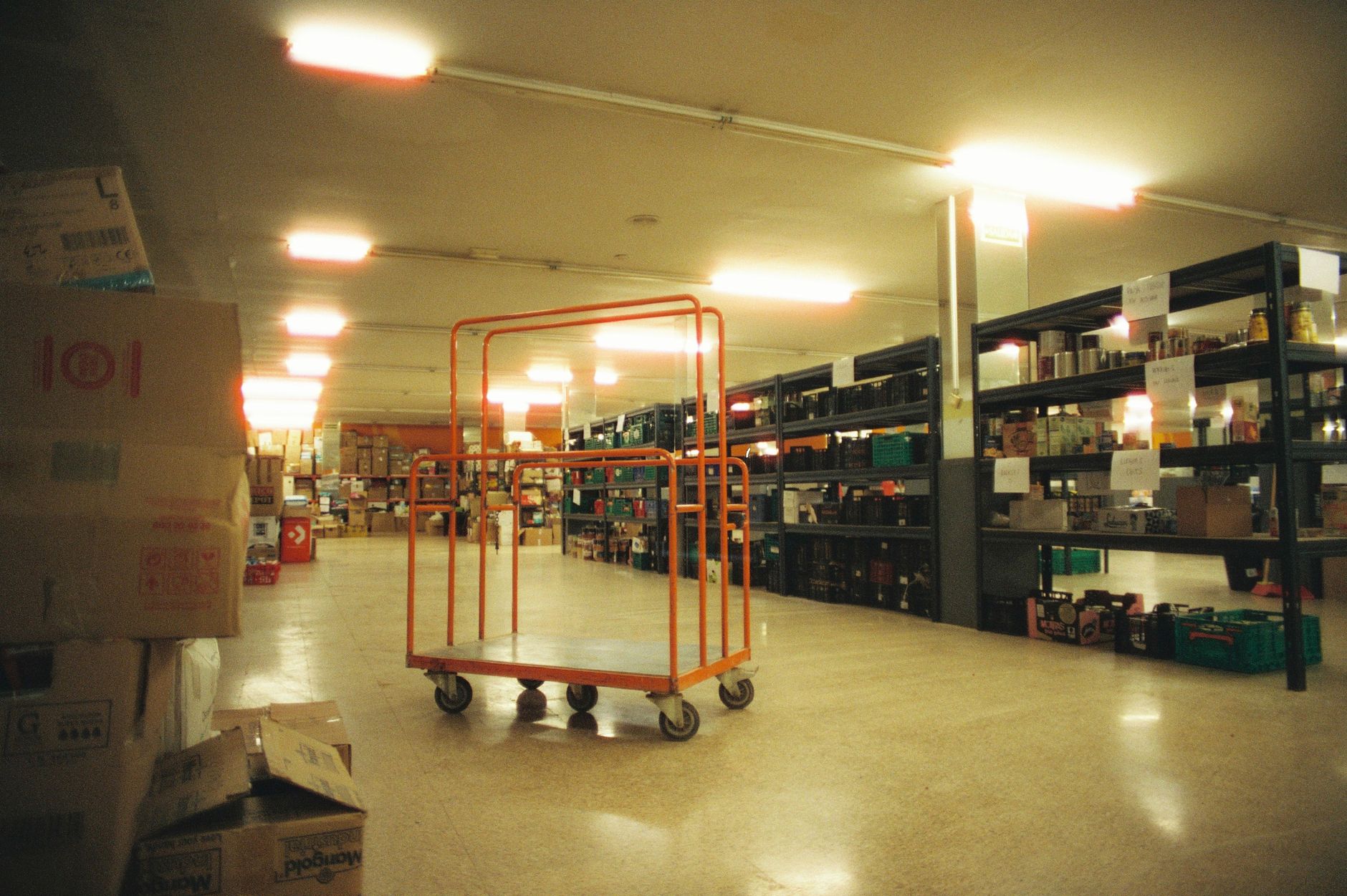
The measurement that matters is not the cart, it is the slot the cart lives in when it is not being used. Measure that gap first, then shop, because a cart that has no parking spot ends up in the middle of a walkway permanently. The narrow models around 7 to 8 inches deep fit beside a refrigerator; the 13-to-18-inch ones need a wall run or the end of a peninsula. If the plan is to roll it out for use and roll it back, add a couple of inches of clearance on each side or it will stop getting put away.
4. Casters Decide Where the Cart Can Go
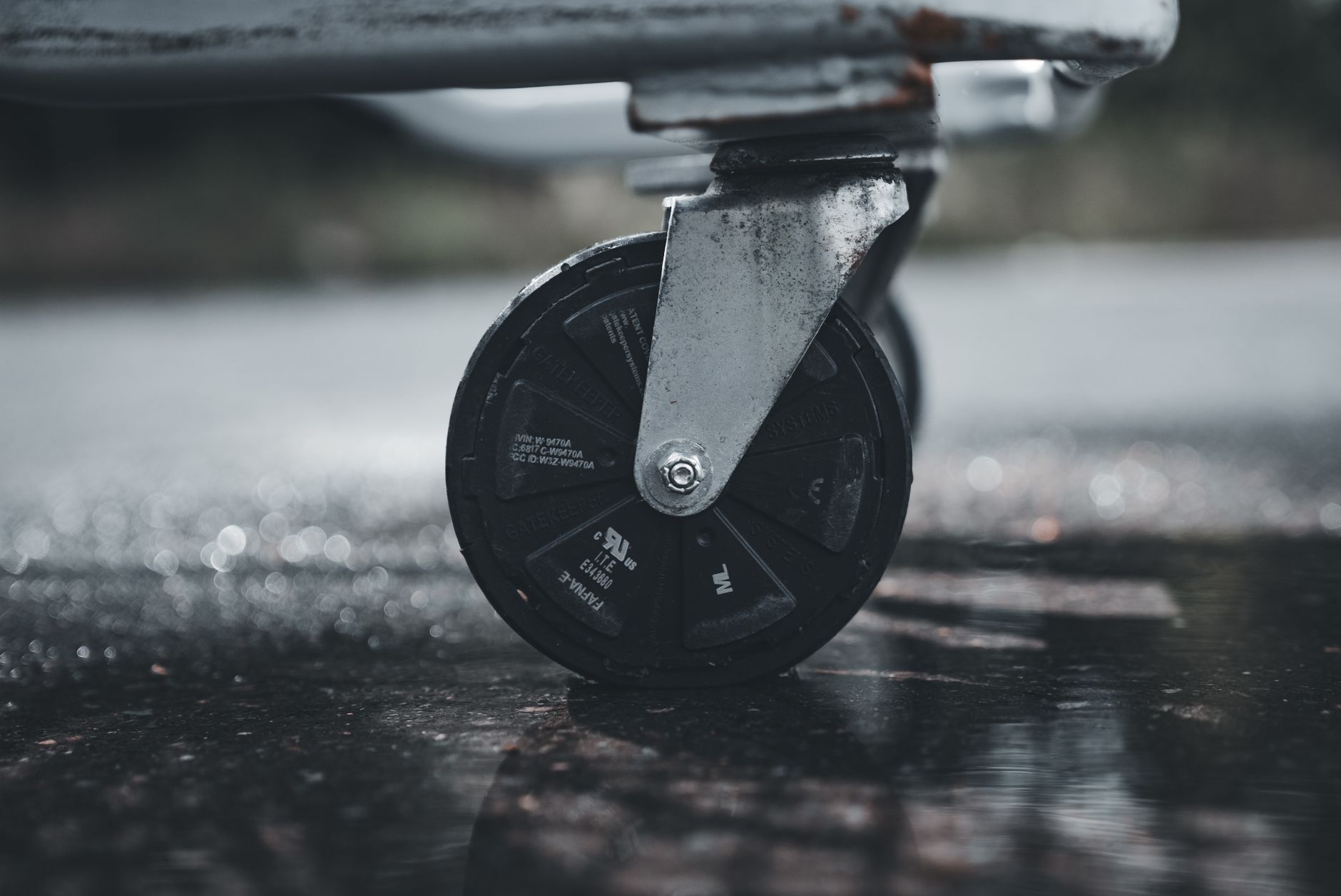
Small hard-plastic casters, the kind most budget-friendly carts ship with, roll well on tile and hardwood and stop dead at a threshold strip, a rug edge, or any carpet with a pad under it. Two-inch wheels manage a quarter-inch transition and not much more. Rubber-tread casters are quieter and less likely to mark vinyl or a soft finish, and swapping to a locking caster set is a ten-minute job on most carts with a threaded stem. Lock at least two wheels if an espresso machine is on board, because locking a portafilter in applies real lateral force and an unlocked cart takes the push instead of the machine.
5. The Cord Is the Real Constraint
A coffee cart with wheels that has to be unplugged and replugged for every move is a cart that stops moving. Appliance cords run two to three feet by design, which means the parking spot and the receptacle have to be within about a stride of each other. The workable version is a cart that stays plugged in where it lives and only rolls when it is being cleaned behind. Running a heating appliance on a long extension cord to make a cart mobile is the wrong solve.
6. The Butcher-Block-Top Kitchen Cart
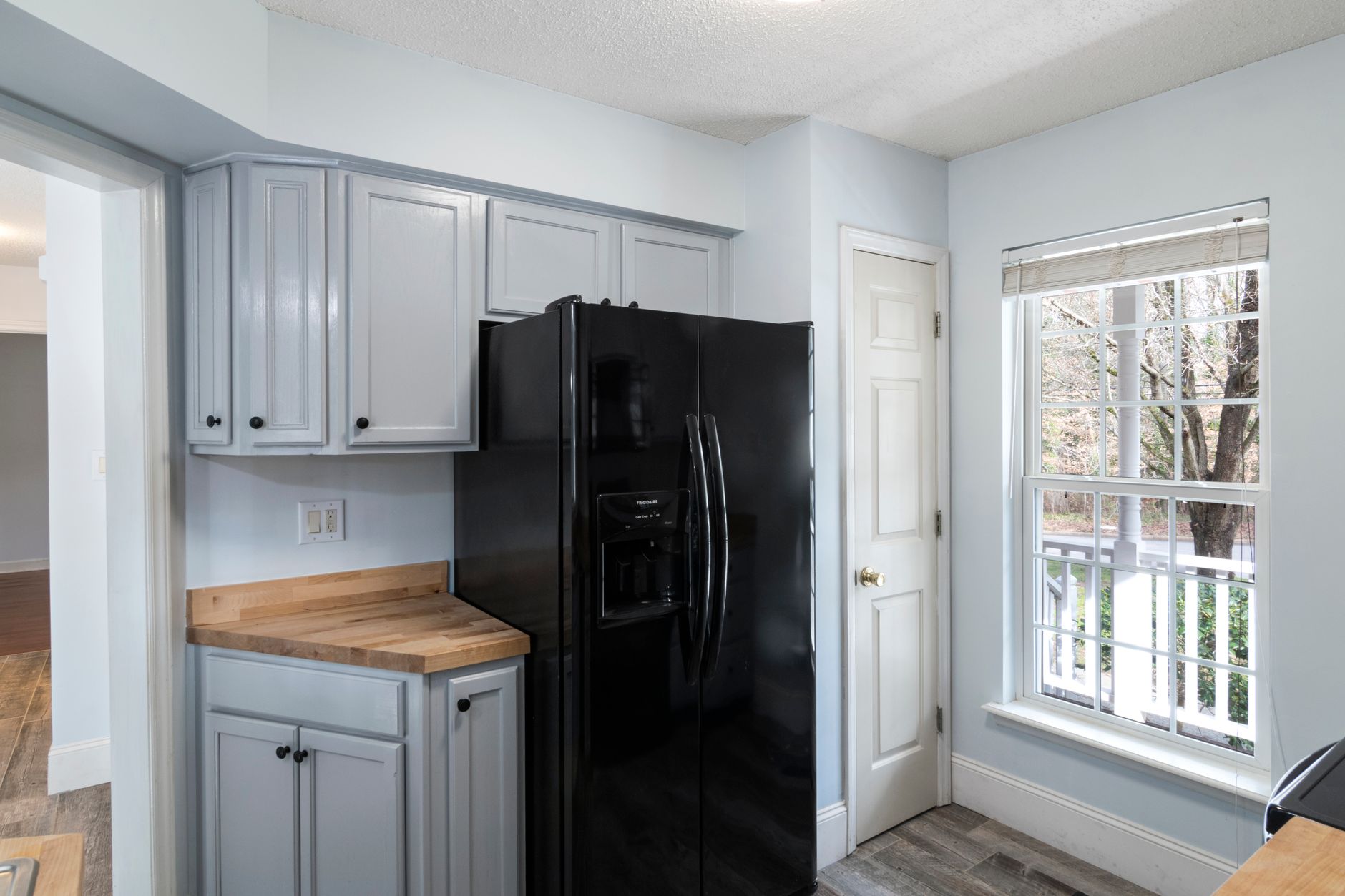
A step up from the utility cart: roughly counter height at 36 inches, a solid wood top, usually a drawer and a lower shelf, and heavy enough that it stays put with the casters locked. This is the one that genuinely replaces counter space rather than supplementing it, and it takes the weight and vibration of a grinder and an espresso machine without flexing. A butcher block kitchen cart also gives a working surface at the right height for standing, which the shorter carts do not. It is furniture-scale, so it wants a wall it can stay against.
7. Give Each Tier One Job
Carts turn into junk shelves when the tiers have no assignment. The pattern that holds up: top tier is the active surface, holding only the machine and whatever is needed to run it. Middle tier is supplies in containers, beans, filters, sweeteners, all with lids. Bottom tier takes weight, meaning the water jug, the backstock and anything heavy, which also drops the center of gravity where it belongs. Vertical spacing on most three-tier carts runs eight to ten inches between shelves, so a machine much taller than that either takes the top tier by default or does not fit the cart at all.
8. Line the Shelves So Nothing Slides
Wire and open-frame shelves have a habit of walking their contents to the front edge every time the cart moves, and the first casualty is usually a full mug. A cut sheet of grippy shelf liner on each tier fixes it and takes about five minutes with scissors. It also keeps grounds and drips from falling straight through onto the tier below, which is the other quiet annoyance of wire shelving. Cut the liner slightly undersize rather than to the exact shelf dimension, since a sheet pressed up against a lip curls at the edge and then collects everything underneath it.
9. The Cart as Overflow, Not as the Primary Station
Plenty of a coffee cart home setup works best as the second station rather than the first: the machine stays on the counter where the power and the sink are, and the cart takes the mugs, the syrups, the tea and the guest overflow. That split keeps the counter footprint small without asking a rolling piece of furniture to hold a heavy machine. It is also the arrangement that handles a party, since the cart can move to where the people are and the counter stays clear. For a counter-first layout with a cart in a support role, coffee bar ideas for small spaces covers where each piece goes.
10. Styling It Without Turning It Into a Display Case
A cart is small enough that two or three decorative objects fill it and a fourth makes it look crowded. One trailing plant on the bottom tier, one textile or small stack of linen napkins, and containers that match each other is close to the ceiling. Anything on a cart also gets seen from three sides instead of one, so the backs and sides of containers matter here in a way they never do against a backsplash.
When a Cart Is the Wrong Answer
Two situations where the cart is a detour. The first is a heavy prosumer espresso setup, where the machine, the grinder and a full water tank exceed what a light-frame cart is rated to carry, and the answer is a counter or a counter-height cabinet instead. The second is carpet throughout, where the cart cannot actually roll and is functioning as an expensive, wobbly shelf that would be better mounted to the wall.
Everywhere else the cart earns its place, and it earns it hardest in rentals, where nothing gets drilled and the whole station leaves with the lease. That version, along with the workarounds for cabinets and walls that cannot be modified, is covered in apartment coffee bar ideas. For a cart that has to serve a defined nook in a bedroom or office rather than a kitchen, the constraints shift toward power and noise, which is the ground covered in mini coffee corner ideas.
Some links in this article are affiliate links — if you buy through them we may earn a commission at no extra cost to you. Details.